
NDIS Assistive Technology Guide for 2026
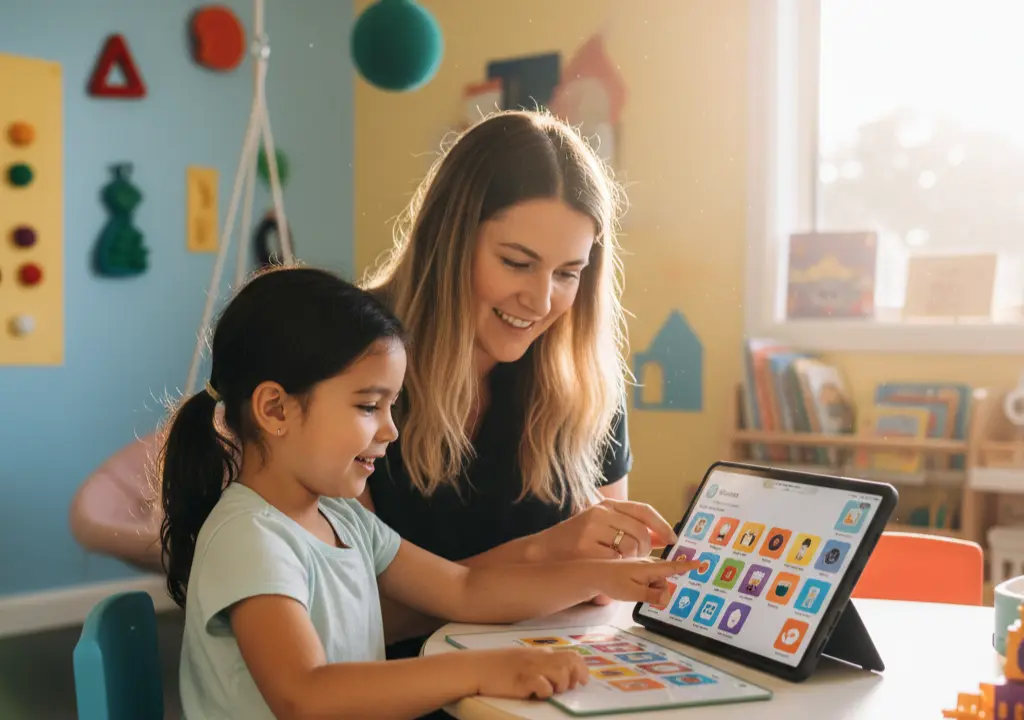
NDIS assistive technology refers to any equipment or device that helps you do things you find hard because of your disability. This technology is funded by the NDIS if it is a reasonable and necessary way to help you live more independently or stay safe.
TL;DR: What You Need to Know
The NDIS uses a budget called Capital Supports to pay for assistive technology (AT). This includes items like wheelchairs, hearing aids, or smart home tools. In 2026, the NDIS groups these items into three cost levels. Low-cost items are under $1,500, mid-cost items are between $1,500 and $15,000, and high-cost items are over $15,000.
You can buy low-cost items quickly using your Core budget. For more expensive tools, you will need a report from a professional, like an occupational therapist. We found that trialling the gear first is the best way to get your funding approved. We help participants in Adelaide find the right tools and write the reports the NDIA needs to see.
What is NDIS assistive technology?
NDIS assistive technology is any tool, device, or system that makes daily tasks easier or safer for you. It helps bridge the gap between what you can do and what is difficult because of your disability.
These tools range from very simple items to high-tech electronic systems. The main goal is to give you more freedom at home, at work, and in your community. When a tool helps you reach a goal in your plan, the NDIS can help pay for it.
We see participants use this technology to move better, talk to others, or manage their homes. It is a key part of staying active and healthy. You can see more definitions on the official NDIS website.
What are the three levels of assistive technology?
The NDIS groups assistive technology into three levels based on how much the items cost. Each level has a different rule for how you get the money and buy the item.
In 2026, the cost levels help the NDIA manage the budget. They want to make sure expensive tools are the right fit for you. Here is how the levels work:
Low Cost (Under $1,500): You can buy these using your Core Supports or Consumables budget. No quote is needed.
Mid Cost ($1,500 to $15,000): You need written advice from a professional to buy these. You do not need a formal quote for the NDIA.
High Cost (Over $15,000): You must have a full assessment from an expert and a quote from a supplier.
We recommend talking to your support coordinator before you buy. They can check if you have enough money in your Capital Supports budget.
How can smart home technology help neurodivergent people?
Smart home technology helps neurodivergent people by making it easier to manage daily routines and stay safe. It reduces the need for constant help from a support worker.
We found that voice-activated lights and smart door locks give our clients more privacy. These tools can help with memory or sensory needs. For example, a smart watch can remind you to take medicine or help you feel calm.
In 2026, the NDIS calls some of these "replacement supports." This means a smart device can replace some hours of human care. This is a great way to use your budget. You can learn about sensory needs on the Australian Institute of Health and Welfare site.
What is a "replacement support" for technology?
A replacement support is a standard item, like a tablet or smart watch, that you use instead of a more expensive disability-specific tool. You must get written approval from the NDIS before you buy one.
These items are often cheaper than custom disability gear. To get approval, you must show that the item works as well as the old support. It must also help you be more independent.
We help our Adelaide families write these requests. We show the NDIA how a simple app or device saves money in the long run. You can find out about consumer rights from the Australian Government portal.
How do you prove a tool is "reasonable and necessary"?
To prove a tool is reasonable and necessary, you must show it is directly related to your disability. It must be good value for money and help you reach your goals.
The NDIS will not pay for things that everyone has to buy, like a regular bed or a standard laptop. You must explain why your disability makes you need a special version.
We found that professional reports are the most important part of this. A therapist can explain the science of why you need the tool. This is required by the NDIS Quality and Safeguards Commission for many items.
Why is trialling equipment important in Adelaide?
Trialling equipment is important because it proves that the tool actually works for you before the NDIS spends a lot of money. It is often a rule for items that cost more than $15,000.
In Adelaide, we work with local suppliers so you can try wheelchairs, beds, or communication devices. We watch how you use the tool in your own home. This makes the evidence for the NDIA much stronger.
Our positive behaviour support team often joins these trials. We want to make sure the technology fits your life perfectly. This saves time and avoids buying the wrong gear.
Which professionals help with assistive technology?
Occupational therapists, physiotherapists, and speech pathologists are the main experts who help with assistive technology. They are often called AT assessors.
These experts look at your skills and your environment. They suggest the best tools to help you. They also write the reports that the NDIA needs to approve your funding.
We provide early intervention and allied health in Adelaide. We help you choose the right expert for your needs. We make sure the team works together for you.
How does the NDIS pay for repairs and maintenance?
The NDIS pays for repairs and maintenance through your Capital Supports budget. It is important to have extra money in this budget for when things break.
Most big items, like power wheelchairs, need regular service. We recommend asking for "maintenance funding" during your plan review. This keeps your equipment safe and working for a long time.
You can also use your social work hours to help find a repair shop. We help our clients manage these logistics so they don't get stuck without their tools.
Can you get help with training to use your new tech?
Yes, the NDIS can fund training so you, your family, or your support workers know how to use the technology safely. This is often part of your Capacity Building budget.
Having the best tool is only helpful if you know how to use it. We offer group programs and one-on-one sessions to help you learn.
We make the training simple and fun. We want you to feel confident with your new gear. You can check our upcoming training and workshops to see what is new.
How can you contact 2b Inclusive for AT help?
You can call us or visit our office in Adelaide to talk about your assistive technology needs. We help you with assessments, trials, and reports for the NDIS.
Our team knows the 2026 NDIS rules inside and out. We help you get the support you deserve. We service the whole Adelaide Metro area.
Visit our contact page to get in touch. You can also call us on 0402 550 071. We look forward to helping you gain more independence.
FAQ
Does the NDIS pay for an iPad?
The NDIS may pay for an iPad if it is used as a communication device or for specific accessibility needs. You must get it approved as a "replacement support" or show it is not just for fun.
Can I buy assistive technology from a regular shop?
Yes, for low-cost items under $1,500, you can buy from any shop. If you are plan-managed or self-managed, you just need to keep the receipt.
Is a wheelchair considered high-cost AT?
Most manual wheelchairs are mid-cost. However, power wheelchairs or custom-made chairs are usually high-cost items that need a full assessment and a quote.
How often can I replace my assistive technology?
The NDIS usually funds a replacement when the item is no longer safe or does not fit you anymore. This is often every 3 to 5 years, depending on the tool.
Does the NDIS pay for delivery of equipment?
Yes, the NDIS can cover the cost of delivery and set up for your gear. This should be included in the quote for mid-cost and high-cost items. You can learn more from the Department of Social Services.