

Positive Behaviour Support Adelaide
Evidence-based and person-centred Positive Behaviour Support for children, teenagers, young adults and older adults living with disability, neurological conditions and complex support needs. Our practitioners work alongside participants, families and support networks to understand behaviour, build skills, improve quality of life and support meaningful outcomes. 2b Inclusive provides registered NDIS Positive Behaviour Support services across the Adelaide metropolitan area.
What is Positive Behaviour Support?
Positive Behaviour Support (PBS) is an evidence-based and person-centred approach that helps us understand the factors influencing behaviour and improve quality of life. Rather than focusing on changing the person, PBS focuses on understanding strengths, support needs, communication, relationships and the environments in which people live, learn and participate.
At 2b Inclusive, we work alongside participants, families and support networks to develop practical strategies that reduce distress, build skills, increase independence and support meaningful participation at home, in education, employment and the community. Our neurodiversity-affirming approach recognises that every person is unique and deserves support that respects their goals, preferences and rights.
300+
People Supported
95%
Positive Outcomes
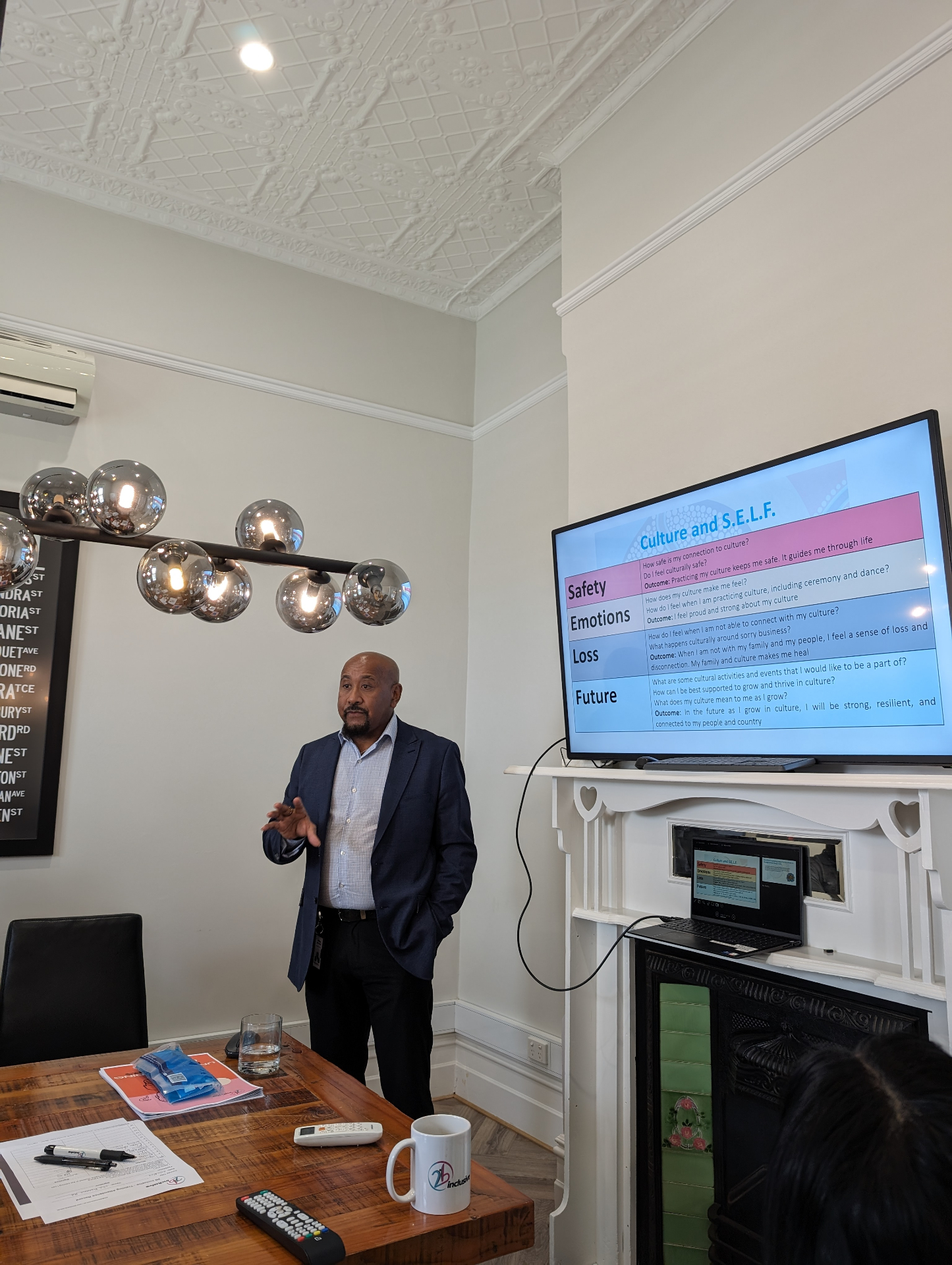
Specialist PBS Services Across the Adelaide Metropolitan Area
2b Inclusive provides Positive Behaviour Support (PBS) across the Adelaide metropolitan area, including Northern, Southern, Eastern and Western Adelaide. Our practitioners support children, teenagers, young adults and older adults living with disability, neurological conditions and complex support needs. Through neurodiversity-affirming and person-centred practice, we help participants, families and support networks build meaningful outcomes at home, in the community, at school and across everyday life.
Who We Support in the Adelaide Community
We support children, teenagers, young adults and older adults across Adelaide with a wide range of disabilities, neurological conditions and complex support needs. Our practitioners work closely with participants, families and support teams to help people build skills, increase independence and achieve meaningful outcomes.
We have experience supporting people living with Autism (ASD), ADHD, PDA, Intellectual Disability, Acquired Brain Injury (ABI), Dementia, Psychosocial Disability, Huntington's Disease, neurological conditions and complex or multiple diagnoses.
We recognise that every person is unique. Our neurodiversity-affirming and person-centred approach focuses on understanding individual strengths, preferences and goals to improve quality of life and participation in everyday activities.
Explore Our Support
Positive Behaviour Support
Evidence-based Positive Behaviour Support focused on improving quality of life, reducing distress and supporting meaningful participation.
Autism, ADHD & Neurodiversity
Neurodiversity-affirming support for Autistic people and individuals with ADHD, PDA and other neurodivergent experiences.
Children, Teenagers & Families
Supporting children, teenagers and families through home, school and community-based Positive Behaviour Support.
Adults, ABI & Complex Needs
Supporting adults living with Acquired Brain Injury (ABI), Dementia, Psychosocial Disability, Huntington's Disease and other complex support needs.
The PBS Process
Interim Behaviour Support Plan
We develop practical, person-centred strategies that support safety, wellbeing and quality of life while we continue to learn about the individual's strengths, goals and support needs.
Functional Behaviour Assessment (FBA)
We work alongside participants, families and support networks to understand the factors influencing behaviour, identify strengths and support needs, and develop practical strategies that improve quality of life and meaningful participation.
Comprehensive Behaviour Support Plan
We create a detailed, person-centred plan that helps improve quality of life, build skills and support meaningful outcomes. We work alongside families, carers and support teams to ensure strategies are practical, understood and tailored to the individual's strengths and goals.
NDIS Funding for Positive Behaviour Support in Adelaide, South Australia
Positive Behaviour Support is funded through the NDIS and is included under the Improved Relationships support category. These supports help individuals improve quality of life, build independence, strengthen relationships and participate more meaningfully in their communities.
2b Inclusive can help you understand your NDIS plan and determine whether funding is available for Positive Behaviour Support services. We support children, teenagers, young adults and older adults across Adelaide, helping participants and families access the right supports to achieve their goals.
Our Adelaide Positive Behaviour Support Approach and Model
Functional Behaviour Assessment
A comprehensive, person-centred assessment that helps us understand the factors influencing behaviour, identify strengths, and explore opportunities to improve quality of life and meaningful participation.
Person-Centred Planning
Collaborative planning that reflects the individual's strengths, preferences, goals and support needs, ensuring supports are tailored to what matters most to them.
Proactive and Preventative Strategies
Evidence-based strategies that focus on predictability, environmental adjustments, communication and support, helping to reduce distress and promote positive outcomes.
Skill Development and Capacity Building
Supporting the development of communication, emotional regulation, independence and everyday life skills to increase confidence, participation and wellbeing.
Safety Planning and Risk Reduction
Developing practical, least-restrictive strategies that promote safety, wellbeing and positive support during times of increased stress, distress or risk.
Training and Support for Teams
Providing coaching, guidance and capacity building for families, carers, support workers and professionals to support consistent, respectful and person-centred implementation.
Your PBS Journey
Initial Consultation
Meet with a PBS practitioner to discuss goals, current supports, and any areas of concern, and to gather relevant background information in a person-centred and respectful way.
Interim Positive Behaviour Support Plan (if required)
If a restrictive practice is identified or there is an immediate safety risk, an Interim Positive Behaviour Support Plan is developed to support safety while further assessment continues. This plan is short-term, focuses on risk reduction and least-restrictive strategies, and is implemented in line with authorisation and legislative requirements.
Functional Behaviour Assessment
A comprehensive assessment involving observations, interviews, and data collection to understand the function, context, and contributing factors of behaviours of distress.
Comprehensive Positive Behaviour Support Plan Development
Collaborative development of an individualised Positive Behaviour Support Plan that prioritises proactive, preventative strategies, skill development, and wellbeing, with the goal of reducing and eliminating restrictive practices over time.
Implementation and Capacity Building
Training, guidance, and ongoing coaching for the person's support network to promote consistent, ethical, and effective implementation of strategies.
Monitoring, Review, and Continuous Improvement
Ongoing data collection, progress monitoring, and regular reviews to ensure strategies remain effective, least-restrictive, and aligned with the person's goals.
Success Stories
"The PBS plan has completely transformed our family life. We finally understand why the behaviours were happening and have strategies that actually work."
Parent of 12 year old with ASD
Positive Behaviour Support
PBS FAQs
Our Positive Behaviour Support practitioners are ready to create a personalised plan for you. Make a referral or explore our other NDIS services.